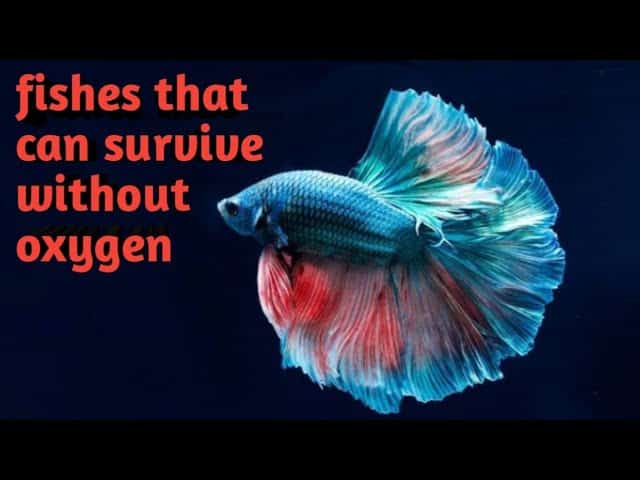
Goldfish are one of the most popular and enduring aquarium fish in the world. These hardy, beautiful creatures can adapt to a variety of conditions, making them a favorite choice for both novice and experienced aquarists. However, one common question that arises among goldfish keepers is, “How long can goldfish survive without an oxygen pump?” To understand this, we need to explore the factors that affect the oxygen levels in your goldfish tank.
The Importance of Oxygen in a Goldfish Tank
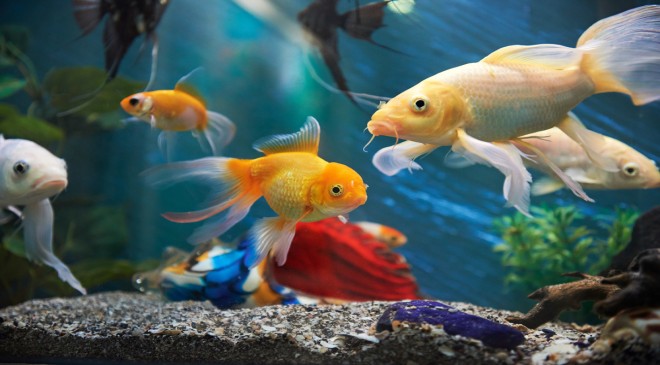
Oxygen is vital for all aquatic life, including goldfish. It is necessary for their respiration, metabolism, and overall well-being. Fish extract oxygen from the water through their gills. In an aquarium, maintaining proper oxygen levels is crucial to ensure your goldfish thrive.
Oxygen is a fundamental element for the well-being of your goldfish. Understanding the importance of maintaining proper oxygen levels in your goldfish tank or pond is key to ensuring their health, vitality, and longevity. By addressing factors that affect oxygen levels and providing adequate aeration, you can create a thriving aquatic environment for your beloved goldfish
Oxygen Sources in a Goldfish Tank
In a goldfish tank, providing an ample supply of oxygen is essential to ensure the well-being of your aquatic companions. To maintain a healthy and thriving environment, it’s crucial to understand the various sources of oxygen and how to optimize them. In this article, we will explore the primary sources of oxygen in a goldfish tank and strategies to ensure your goldfish receive the oxygen they need.
Aeration Systems:
- Aeration systems are one of the most common sources of oxygen in a goldfish tank.
- Aquarium air pumps, air stones, and diffusers create surface agitation, enhancing oxygen exchange.
Surface Agitation:
- Surface agitation increases the contact between air and water, promoting efficient oxygen absorption.
- Air stones, water movement from filters, or surface skimmers can help create this agitation.
Live Aquarium Plants:
- Live aquatic plants are natural oxygen producers through photosynthesis.
- During the day, plants absorb carbon dioxide and release oxygen, benefiting goldfish.
Biological Filtration:
- Beneficial bacteria in the biological filter help break down organic waste.
- This process releases oxygen into the water as a byproduct, contributing to oxygen levels.
Water Movement from Filters:
- Filters not only remove impurities but also help increase water circulation.
- Enhanced circulation exposes more water to the surface, facilitating oxygen exchange.
Regular Water Changes:
- Regular water changes with DE chlorinated water introduce fresh oxygen to the tank.
- It also helps remove accumulated waste and contaminants that can deplete oxygen levels.
Tank Size and Water Volume:
- A larger tank with more water volume contains more oxygen.
- Adequate space allows for higher oxygen saturation and better overall tank conditions.
Surface Area:
- Tanks with larger surface areas allow for greater oxygen exchange.
- Choosing tanks with dimensions that offer ample surface area is beneficial for oxygenation.
Temperature Control:
- Maintaining an appropriate water temperature is essential for oxygen solubility.
- Warmer water holds less dissolved oxygen than cooler water, so temperature control is crucial.
Avoid Overstocking:
- Overcrowding can deplete oxygen levels as goldfish respire and produce waste.
- Ensure the tank is not overstocked to maintain sufficient oxygen for all inhabitants.
Monitoring Oxygen Levels:
- Regularly testing water parameters, including oxygen levels, is important.
- Ensure that the oxygen concentration remains within the ideal range for goldfish
Factors Affecting Oxygen Levels
Maintaining optimal oxygen levels in your aquarium is crucial for the well-being of your aquatic inhabitants, whether it’s fish, plants, or other aquatic life. Several factors can influence the dissolved oxygen content in your tank, and understanding these variables is essential for providing a healthy and thriving aquatic environment. In this article, we will explore the key factors that affect oxygen levels in aquariums and how to manage them effectively.
Temperature:
- Water temperature plays a significant role in oxygen solubility.
- Warmer water holds less dissolved oxygen, while cooler water can contain more oxygen.
- Maintaining the right temperature is essential for oxygen regulation.
Fish Respiration:
- Fish consume oxygen through their gills for respiration.
- The number and size of fish in your aquarium impact oxygen consumption rates.
- Overcrowding can lead to decreased oxygen levels.
Biological Filtration:
- Beneficial bacteria in the biological filter break down waste and organic matter.
- This process consumes oxygen but also releases it as a byproduct.
- Efficient biological filtration is vital for maintaining oxygen balance.
Water Movement:
- Water circulation and movement promote oxygen exchange at the water’s surface.
- Filters, air pumps, and surface agitation enhance the oxygenation process.
Aquarium Depth:
- The depth of your aquarium influences the distribution of oxygen.
- Deeper tanks may experience oxygen stratification, with lower levels in the lower regions.
Decomposing Organic Matter:
- Accumulated uneaten food, decaying plant material, or waste produce ammonia and reduce oxygen.
- Regular maintenance, including waste removal, is essential to counteract this effect.
Photosynthesis:
- In planted aquariums, aquatic plants undergo photosynthesis during the day.
- They release oxygen into the water, benefiting fish and other aquatic life.
Water Quality:
- Poor water quality with high ammonia or nitrite levels can stress fish and decrease oxygen intake.
- Regular water testing and maintenance are crucial for preserving oxygen levels.
Surface Area:
- Tanks with larger surface areas facilitate more oxygen exchange.
- Selecting tanks with dimensions that maximize surface area can help maintain oxygen levels.
Aquarium Size:
- The volume of water in your aquarium affects the total oxygen content.
- Larger tanks generally hold more oxygen and provide a buffer against oxygen depletion.
Oxygenating Plants:
- Aquatic plants are natural oxygen producers through photosynthesis.
- Incorporating live plants can contribute to higher oxygen levels in your aquarium.
Fish Species:
- Different fish species have varying oxygen requirements.
- Research the specific needs of the fish in your tank to ensure adequate oxygen supply.
How Long Can Goldfish Survive Without an Oxygen Pump?
The ability of goldfish to survive without an oxygen pump depends on the specific conditions in their tank. In a well-maintained tank with appropriate stocking levels, good water quality, and healthy aquatic plants, goldfish can often survive without the aid of an oxygen pump for a considerable amount of time.
However, several variables come into play, including the size of the tank and the number of goldfish. In a small, overcrowded tank, oxygen levels may deplete more rapidly.
In general, goldfish are resilient and can tolerate lower oxygen levels for short periods. They have a labyrinth organ that allows them to gulp air at the water’s surface, providing a supplementary oxygen source when needed. This adaptation helps them survive in less than ideal conditions.
The duration a goldfish can survive without an oxygen pump can range from hours to several days. It is crucial, though, not to push the limits and compromise their well-being. If you notice signs of distress, such as gasping at the water’s surface or increased surface gulping, it’s a clear indication that your goldfish need more oxygen.
Preventative Measures
To prevent oxygen-related issues and ensure the health of your goldfish, consider the following measures:
Proper Aeration: Invest in a reliable aquarium air pump and air stone to ensure a constant supply of oxygen. This is especially important in warm weather or if your tank is densely populated.
Tank Size: House your goldfish in an adequately sized tank. The general guideline is to provide a minimum of 20 gallons of water for the first goldfish and an additional 10-15 gallons for each additional fish.
Water Quality: Maintain good water quality by conducting regular water changes and cleaning the tank. This reduces the accumulation of waste that can consume oxygen and compromise the health of your goldfish.
Temperature Control: Keep the water temperature within the recommended range for goldfish, typically between 65-75°F (18-24°C). Cooler water can hold more dissolved oxygen.
Aquatic Plants: Consider adding live plants to your aquarium. They not only enhance the aesthetic but also contribute to oxygen production through photosynthesis.
Monitor Oxygen Levels: Use a reliable oxygen test kit to monitor oxygen levels in your tank. This can help you detect any issues before they become critical.
Conclusion
The question of how long goldfish can survive without an oxygen pump hinges on various factors, including tank size, stocking density, water quality, and temperature. While goldfish possess adaptations that allow them to tolerate lower oxygen levels for a time, it’s essential to prioritize their well-being by ensuring they have access to sufficient oxygen.
In an ideal environment with proper tank size, effective filtration, and good water quality, goldfish can often manage without an oxygen pump for an extended period. However, pushing the limits and neglecting their oxygen requirements can lead to distress and potential health issues.
To promote the health and vitality of your goldfish, it’s advisable to invest in preventive measures, such as maintaining a suitable tank size, employing a filter or air pump, conducting regular water changes, incorporating live aquatic plants, and monitoring water temperature. By doing so, you can provide your goldfish with the oxygen levels they need to thrive, ensuring they never have to contend with the challenges of insufficient oxygen in their aquatic home.
Exclusive For You!
🚀 Ready to take your business to the next level? Look no further than Walltronix! We're your go-to experts for all things digital, dedicated to helping businesses of all sizes thrive. 🌟 Imagine a future where innovation and creativity reign supreme. That's what we're all about. 🎨 From jaw-dropping design and development to turbocharged SEO services, we've got your digital needs covered. 💻✨ Join us on this exciting journey to digital success! 🌐💼
Walltronix core services encompass:
- Digital & Social Media Marketing
- Website Design & Development
- E-commerce Development
- Native Mobile Applications
- Web & SaaS Applications
- SEO & Backlink Generation
- Content Management
- Blog creation & monetization
Unlocking Your Potential with Walltronix:
Discover a range of Free invaluable tools, thoughtfully crafted to enhance your digital journey:
- Bolt: Website audit & SEO report generator Tool
- The SMS City: Premium WhatsApp & SMS messaging Platform
- Sizzly: Advanced URL shortner, Custom CTA, Bio Pages & much More
- Optimus: Track live website visitors & traffic
- Mosh: Ultimate website widgets & conversion generator
Elevate your digital presence and engage your audience effectively with Walltronix. Join hands with us, and let's shape your digital future together.
Visit Website
Mail Us
WhatsApp Us
Our Portfolios