In this comprehensive guide, we will explore the various aspects of choosing the Perfect Fish Species for your bowl aquarium. We’ll cover everything from aquarium size and water conditions to compatibility and maintenance. Whether you’re a beginner or an experienced aquarium enthusiast, this guide will help you make an informed decision and create a thriving underwater world in your bowl aquarium.
Choosing the right fish species for your bowl aquarium is not just a matter of aesthetics, it’s a vital decision that impacts the health and longevity of your aquatic companions. Whether you’re new to fishkeeping or an experienced enthusiast, this guide will equip you with the knowledge to make informed choices and create a thriving underwater ecosystem.
Bowl Aquarium Size
The size of your bowl aquarium is a fundamental factor that significantly influences your choice of fish species. Different fish require varying amounts of space, so consider the following:
- Micro Bowls: These tiny containers suit aquatic plants, small shrimp, or snails best. They are not suitable for fish due to their extremely limited space.
- Nano Bowls: Slightly larger than micro bowls, nano bowls can house small fish like Betta fish or a small school of tiny fish such as celestial pearl danios.
- Small to Medium Bowls: These bowls can accommodate fish like guppies, goldfish (only temporarily), and bettas with adequate filtration and maintenance.
- Large Bowls: For larger bowls, you have more options, including tetras, gouramis, or even small catfish species.
Water Parameters
Each fish species has specific preferences when it comes to water temperature, pH levels, and water hardness. It’s essential to match these parameters with your chosen fish to ensure their well-being:
- Temperature: Some fish thrive in cooler waters, while others prefer tropical conditions. For example, goldfish are coldwater fish, while guppies are tropical fish.
- pH Levels: Different species have varying pH preferences, so research your fish’s ideal pH range and adjust your aquarium accordingly.
- Water Hardness: Pay attention to water hardness, as it can affect fish health. Some fish, like cichlids, prefer hard water, while others, like neon tetras, thrive in softer water.
Compatibility Among Fish Species
Before selecting fish for your bowl aquarium, it’s crucial to understand the concept of fish compatibility. We can categorize fish into three main groups.:
- Community Fish: These are peaceful species that can coexist with other non-aggressive fish. Guppies and neon tetras are good examples.
- Semi-Aggressive Fish: These fish may display territorial behavior or occasional aggression. Consider mollies or dwarf gouramis.
- Aggressive Fish: It’s best to keep these fish alone or with their own kind.. Betta fish and some cichlids fall into this category.
Ensuring compatibility among the fish species you choose will help maintain a harmonious and stress-free environment in your bowl aquarium.
Coldwater vs. Tropical Fish
The decision to keep Coldwater or tropical fish depends on the water temperature you can maintain in your bowl aquarium:
- Coldwater Fish: This category includes species like goldfish and white cloud mountain minnows. They can thrive in cooler water temperatures, making them suitable for unheated bowls.
- Tropical Fish: Guppies, tetras, and bettas are among the popular choices for tropical fish. They require a stable, warmer temperature, which often necessitates a heater for your bowl aquarium.
Low-Maintenance vs. High-Maintenance Species
Your available time and commitment play a significant role in choosing fish species:
- Low-Maintenance Species: Guppies, bettas, and goldfish are relatively low-maintenance and ideal for beginners. They are hardy and require less attention.
- High-Maintenance Species: If you’re an experienced hobbyist willing to invest more time and effort, consider high-maintenance species like discus fish, which require precise water conditions and specialized care.
Common Bowl Aquarium Fish Species
Let’s delve into some common fish species suitable for your bowl aquarium:
Guppy: The Colorful and Easy-to-Keep Fish
Aquarium enthusiasts cherish guppies, also known as “millionfish” or “rainbow fish,” for their vibrant colors, playful demeanor, and ease of care. These small, tropical fish make an excellent choice for both beginner and experienced aquarium enthusiasts. Here’s a closer look at guppies and why they are prize by fishkeepers:
Appearance:
Guppies are known for their striking and diverse colors. They come in various hues, patterns, and tail shapes, making them a visual delight in aquariums. Males are often more colorful and have elongated, ornate fins, while females are typically plainer and smaller.
Size:
Adult guppies usually measure between 1 to 2 inches in length, which makes them well-suited for smaller aquariums.
Behavior:
Guppies are known for their lively and active nature. They enjoy exploring their environment, chasing each other, and displaying their vibrant colors, adding a dynamic element to the aquarium.
Tank Setup:
Guppies are adaptable and thrive in a wide range of aquarium setups. A 10-gallon tank is typically suitable for a small group of guppies. Ensure the tank has filtration, a heater to maintain a stable water temperature between 72-82°F (22-28°C), and regular water changes to keep the water quality high.
Diet:
Guppies are omnivores, and their diet should include a balanced mix of high-quality flake or pellet food, live or frozen foods like brine shrimp, daphnia, and vegetable matter. Feed them small servings multiple times a day to prevent overfeeding.
Breeding:
Guppies are prolific breeders, and their live-bearing reproduction makes them an interesting addition to any community tank. However, if you keep males and females together, be prepare for an increase in population, as guppy fry are likely to thrive. any aquarium, making them a beloved choice for both novice and experienced fish keepers.
Betta Fish: Beautiful and Independent
People love Betta fish, also known as Siamese fighting fish, for their vibrant colors, striking fins, and fascinating behaviors. Aquarists know these small, tropical fish for their hardy nature and relatively low maintenance requirements. Here’s an overview of betta fish and why they are a popular choice among aquarium enthusiasts:
Appearance: Betta fish are celebrate for their dazzling appearance. They come in a wide array of colors, ranging from vivid reds and blues to iridescent greens and purples. Male bettas often feature long, flowing fins, while females have shorter, more rounded fins.
Size: Adult betta fish typically reach a size of 2.5 to 3 inches, making them well-suited for small aquariums and containers.
Behavior: Bettas exhibit individualistic and often territorial behavior. They earn the name “fighting fish” for a reason; males are territorial and can be aggressive toward other males. They tend to display their vibrant colors and fins when threatened or during courtship.
Tank Setup: Betta fish can be comfortably kept in small aquariums or even specially design betta bowls. A 5 to 10-gallon tank with a heater to maintain a stable water temperature between 78-80°F (25-27°C) is ideal. Bettas prefer still or gently filtered water.
Diet: Bettas are carnivorous and thrive on a diet of high-quality betta pellets or flakes. They can also be offer occasional live or frozen foods like brine shrimp or bloodworms. Feed them sparingly, as bettas are prone to overeating.
Tank Mates: Because of their territorial nature, it’s best to keep male bettas alone or with peaceful, non-aggressive tank mates like snails or small, calm fish species. Female bettas can sometimes coexist in small groups, but monitor their interactions to prevent aggression.
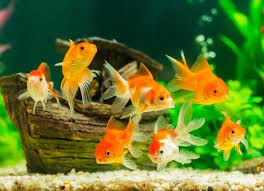
Goldfish: A Classic Choice with Specific Requirements
Goldfish have been cherish as classic aquarium pets for centuries. Their charming appearance and graceful movements make them a popular choice among aquarists. However, it’s essential to understand that goldfish have unique care requirements compared to other fish species. Here’s a closer look at these beautiful fish and the specific conditions they need for a healthy life:
Variety and Appearance:
Goldfish come in various shapes, sizes, and colors. Common varieties include the Comet, Shubunkin, and Oranda. They’re characterize by their bright colors and distinct fin and body shapes.
Size:
Goldfish can grow quite large, and some varieties can reach over a foot in length. Be prepared for their potential growth when selecting an appropriate tank or pond.
Tank or Pond Size:
Goldfish require ample space to thrive. In an aquarium, a minimum of 20 gallons per goldfish is recommended, with a well-functioning filtration system. However, many goldfish varieties are better suited to outdoor ponds, where they can reach their full size and engage in natural behaviors.
Water Quality:
Goldfish are sensitive to poor water quality. Regular water changes and efficient filtration are essential to maintain clean and oxygenated water. Ammonia and nitrite levels should be kept at zero, and nitrates should be kept at low levels.
Temperature:
Goldfish prefer cooler water temperatures between 65-75°F (18-24°C). Avoid keeping them in warm water, as it can lead to stress and health issues.
Feeding:
A balanced diet of high-quality pellet or flake food, along with occasional treats like peas and live or frozen foods, is suitable for goldfish. Be cautious not to overfeed, as goldfish are prone to obesity and buoyancy issues.
Tank Mates:
Goldfish are peaceful but may eat smaller fish or nibble on delicate aquatic plants. Compatible tank mates should be chosen with care, and they may include other goldfish or coldwater species like koi.
Tetras: Schooling Fish for Vibrant Communities
Tetras are a popular choice for aquarium enthusiasts due to their vibrant colors, lively behavior, and ease of care. These small, schooling fish add an element of excitement to your tank. Here’s what you need to know to keep them happy and healthy:
Variety and Appearance:
Tetras come in a variety of species, each with its unique coloration and patterns. Some common types include Neon Tetras, Cardinal Tetras, and Black Skirt Tetras.
Schooling Fish:
Tetras are known for their schooling behavior, which means they thrive when kept in groups. To provide a comfortable and secure environment, it’s best to keep at least six tetras of the same species together.
Tank Setup:
A well-planted aquarium with hiding spots and driftwood or rocks mimics their natural habitat. Ensure that the tank is adequately filtered and maintained to keep the water clean and well-oxygenated.
Water Parameters:
Tetras are sensitive to water quality, so regular water changes are essential. Maintain a stable water temperature between 72-78°F (22-26°C) and ensure that the pH and hardness levels are appropriate for the specific species you’re keeping.
Diet:
Tetras are omnivores and thrive on a varied diet. High-quality flake or pellet food, supplemented with live or frozen foods like brine shrimp and bloodworms, will keep them healthy and vibrant.
Compatibility:
Tetras are generally peaceful and get along well with other non-aggressive community fish. Avoid keeping them with fin-nipping or aggressive species.
Enrichment:
Adding plants and hiding spots in the aquarium is essential. Tetras enjoy exploring and seeking refuge, especially when they feel threatened or during breeding.
Breeding:
If you plan to breed tetras, consider setting up a separate breeding tank with fine-leaved plants. The parents may eat their own eggs, so it’s important to remove them after spawning.
Shrimp and Snails: A Unique Addition
Shrimp and snails are fascinating and often underappreciated inhabitants of freshwater aquariums. They offer unique qualities and benefits, contributing to the balance and diversity of your aquatic ecosystem. Here’s what you need to know about these charming and low-maintenance tank mates:
Shrimp:
1. Varieties:
- Shrimp come in various species, but the most popular for aquariums are Cherry Shrimp, Amano Shrimp, and Ghost Shrimp. Each species has its unique coloration and characteristics.
2. Appearance:
- Shrimp are small, transparent crustaceans known for their vibrant colors. They can add a striking visual element to your tank.
3. Behavior:
- Shrimp are active and engaging to watch. They spend their time foraging for food, and their graceful movements can be quite captivating.
4. Tank Size:
- Shrimp do well in smaller aquariums. A 10-gallon tank or larger is suitable for keeping a small group.
5. Compatibility:
- Shrimp are generally peaceful and can coexist with other non-aggressive fish. However, be cautious when selecting tank mates, as some fish may view shrimp as a tasty snack.
6. Diet:
- Shrimp are omnivores and will eat algae, leftover fish food, and specially formulated shrimp pellets or flakes. Their scavenging behavior helps maintain tank cleanliness.
7. Plants:
- Live plants provide hiding spots and serve as a source of food for shrimp. The presence of plants is beneficial for their well-being.
Snails:
1. Varieties:
- Common snail species for aquariums include Nerite Snails, Mystery Snails, and Ramshorn Snails. Each has distinct shell shapes and patterns.
2. Appearance:
- Snails are recognized by their spiral-shaped shells. Some species have colorful and eye-catching shells.
3. Behavior:
- Snails are slow-moving and spend their time grazing on algae and detritus, which can help keep your tank clean.
4. Tank Size:
- Snails are well-suited for various tank sizes, from small nano tanks to larger aquariums. Their numbers can be adjusted based on the tank’s capacity.
5. Compatibility:
- Snails are peaceful and compatible with most community fish. They rarely bother plants and can be excellent additions to a planted aquarium.
6. Diet:
- Snails primarily feed on algae and leftover fish food. Supplementing their diet with algae wafers can be beneficial.
7. Algae Control:
- Both snails and shrimp contribute to algae control in your aquarium. Their grazing habits help keep the tank clean and maintain water quality.
Discus Fish: Majestic but Demanding
Discus fish, often referred to as the “King of the Aquarium,” are prized for their remarkable beauty, graceful swimming, and captivating social behaviors. However, they are also known for their specific care requirements, which can be challenging for beginners. Here’s what you need to know about these majestic but demanding fish:
Appearance:
Discus fish are known for their striking colors and unique disc-shaped bodies. Their palette of colors includes shades of red, blue, green, and more, often with intricate patterns.
Size:
These fish can grow to a size of 6 to 8 inches, and some larger varieties can reach up to 10 inches.
Tank Setup:
Creating an ideal environment for discus fish is essential. You’ll need a spacious aquarium of at least 50-75 gallons, and a taller tank is better than a longer one since discus prefer more vertical swimming space. Provide live plants and driftwood for natural shelter and to simulate their native Amazon River habitat.
Water Parameters:
Discus fish are quite sensitive to water quality. Maintain a stable water temperature between 82-88°F (28-31°C) and a near-neutral pH level of around 6.5. Regular water changes and efficient filtration are crucial.
Diet:
Their diet should consist of high-quality discus pellets, flakes, and live or frozen foods such as bloodworms and brine shrimp. Feed them several times a day to ensure they receive enough nutrition.
Tank Mates:
Discus are peaceful fish that do best when kept with other calm, compatible species. Avoid aggressive or fin-nipping fish that may stress the discus.
Social Behavior:
Discus fish are known for their interesting social interactions. They can be kept in groups, and it’s common to have a small school of discus in the same tank. They exhibit fascinating courtship and parental behaviors.
Breeding:
Breeding discus can be complex and requires specific conditions. A separate breeding tank with soft, acidic water is typically needed. Discus parents are known for their dedicated care of their fry.
Axolotls: Aquatic Salamanders
Axolotls, often referred to as “Mexican walking fish,” are unique aquatic salamanders native to Mexico. They are captivating creatures with their regenerative abilities, distinctive appearance, and intriguing behavior. Here’s a closer look at axolotls:
Physical Characteristics:
Axolotls have a fascinating and somewhat alien-like appearance. They possess feathery external gills, which they use to extract oxygen from the water. Their skin is smooth and can come in various colors, including wild-type brown, leucistic (white with pinkish tones), albino (pinkish with red eyes), and golden albino (golden with red eyes).
Regenerative Abilities:
One of the most remarkable features of axolotls is their regenerative capabilities. They can regrow lost body parts, including limbs, spinal cord, and even portions of their heart and brain. This remarkable ability has made them a subject of scientific research.
Habitat:
In the wild, axolotls are found in the ancient lake system of Xochimilco near Mexico City. They are fully aquatic and prefer cool, fresh waters with temperatures between 60-70°F (15-23°C).
Aquarium Setup:
If you’re considering keeping axolotls as pets, a well-maintained aquarium is essential. A 20-gallon long tank can suit a single adult axolotl, and you need larger tanks for multiple individuals. Use a gentle sponge filter to minimize water flow, as they don’t tolerate strong currents well. Provide hiding spots and smooth substrate (like sand or bare-bottom) to prevent injury to their sensitive skin.
Diet:
Axolotls are carnivorous and primarily feed on live or frozen foods. Their diet can include earthworms, bloodworms, brine shrimp, and occasionally small fish. They have voracious appetites and should be fed several times a week.
Temperament:
Axolotls generally have a peaceful nature, and you can keep them individually or in groups, depending on tank size and compatibility. Avoid housing them with aggressive or fin-nipping species.
Breeding:
Breeding axolotls can be a complex process, requiring specific conditions to stimulate reproduction. Females lay their eggs on plants or in a suitable substrate, and males release sperm to fertilize them. Parent axolotls may require separation from the eggs to prevent predation.
Specialized Bowl Aquariums
For those seeking a unique and themed experience, consider specialized bowl aquariums:
- Themed Aquariums: Create a themed bowl with appropriate decor and fish species that complement the theme, such as a planted jungle or a rocky desert.
- Biotope Aquariums: Recreate a specific biotope with fish, plants, and decorations native to that region. Research is crucial to replicate natural conditions accurately.
Feeding and Diet
Feeding your fish the right diet is essential for their health and vitality:
- Flakes and Pellets: Many fish enjoy flake or pellet food, which provides essential nutrients.
- Frozen and Live Food: Offer occasional treats like bloodworms or brine shrimp to provide variety and essential proteins.
- Feeding Schedule: Feed your fish small portions a couple of times a day. Avoid overfeeding, as it can lead to water quality issues.
Disease Prevention and Treatment
Maintaining a healthy environment is vital, but fish can still fall ill. Be prepared with knowledge on:
- Common Fish Diseases: Learn to recognize symptoms of common diseases such as ich, fin rot, and velvet.
- Preventative Measures: Regular water changes, quarantine procedures for new fish, and healthy nutrition are essential for disease prevention.
- Treatment Options: Research and stock appropriate medications and treatments to address illnesses promptly.
Décor and Aquascaping
Enhance the aesthetics of your bowl aquarium with thoughtfully chosen decor and aquascaping:
- Plants: Live or silk plants not only improve the visual appeal but also provide shelter for fish.
- Substrate: Choose suitable substrate based on the preferences of your fish and plants.
- Decorations: Rocks, driftwood, and caves create hiding spots and add natural elements to your aquarium.
Equipment and Maintenance
Your bowl aquarium will need specific equipment and regular maintenance:
- Filtration: Even small bowl aquariums benefit from a small, gentle filter to maintain water quality.
- Heating: If you keep tropical fish, invest in a reliable heater to maintain a stable temperature.
- Water Changes: Regular water changes are crucial to remove waste and replenish essential minerals.
Breeding and Reproduction
If you’re interest in breeding fish, you should understand the process and establish a separate breeding tank.
- Breeding Behavior: Learn about the breeding behavior of your chosen species.
- Rearing Fry: Prepare for the arrival of fry and provide them with appropriate food and care.
- Breeding Tank: Create a safe and controlled environment for the breeding pair and their offspring.
Tips for a Happy and Healthy Bowl Aquarium
To ensure your fish thrive and live their best lives, consider the following tips:
- Reducing Stress: Minimize disturbances and maintain consistent water parameters to reduce stress in fish.
- Long-Term Well-Being: Remember that fish are long-term commitments. Plan for the future and provide proper care throughout their lives.
Sustainable Practices
As responsible fishkeepers, it’s essential to consider the ecological impact of our hobby:
- Ethical Acquisition: Source fish from reputable breeders and stores that prioritize ethical and sustainable practices.
- Conservation Efforts: Support conservation initiatives that aim to protect aquatic ecosystems and the fish species within them.
Troubleshooting Common Issues
Even with the best care, challenges can arise:
- Cloudy Water: Address the root causes of cloudy water, such as overfeeding or inadequate filtration.
- Algae Growth: Maintain proper lighting and reduce nutrient levels to control algae growth.
- Aggressive Behavior: Separate aggressive fish or provide more hiding spots to reduce territorial disputes.
Community Involvement and Resources
Stay engaged with the aquarium community and access valuable resources:
- Local Clubs: Join local aquarium clubs or online forums to connect with fellow enthusiasts and gain insights.
- Books and Websites: Explore books, websites, and experts who can provide in-depth knowledge and guidance on fishkeeping.
Conclusion
Choosing the perfect fish species for your bowl aquarium is a rewarding journey that can bring the mesmerizing world of aquatic life into your home. By considering factors like aquarium size, water conditions, compatibility, and maintenance, you can create a thriving underwater world for your fish to flourish.
Additional Resources and Further Reading
To further enhance your knowledge and passion for fishkeeping, here are some valuable resources:
- Books: “The Complete Manual of Tropical Fish” by Peter Stadelmann, “Aquarium Plants” by Christel Kasselmann, and “Encyclopedia of Aquarium Plants” by Peter Hiscock.
- Websites: Explore informative websites like Fishkeeping World, The Spruce Pets, and Practical Fishkeeping.
- Experts to Follow: Stay updated with experts like Dr. Neale Monks and Diana Walstad, who provide valuable insights into aquarium care.
Exclusive For You!
🚀 Ready to take your business to the next level? Look no further than Walltronix! We're your go-to experts for all things digital, dedicated to helping businesses of all sizes thrive. 🌟 Imagine a future where innovation and creativity reign supreme. That's what we're all about. 🎨 From jaw-dropping design and development to turbocharged SEO services, we've got your digital needs covered. 💻✨ Join us on this exciting journey to digital success! 🌐💼
Walltronix core services encompass:
- Digital & Social Media Marketing
- Website Design & Development
- E-commerce Development
- Native Mobile Applications
- Web & SaaS Applications
- SEO & Backlink Generation
- Content Management
- Blog creation & monetization
Unlocking Your Potential with Walltronix:
Discover a range of Free invaluable tools, thoughtfully crafted to enhance your digital journey:
- Bolt: Website audit & SEO report generator Tool
- The SMS City: Premium WhatsApp & SMS messaging Platform
- Sizzly: Advanced URL shortner, Custom CTA, Bio Pages & much More
- Optimus: Track live website visitors & traffic
- Mosh: Ultimate website widgets & conversion generator
Elevate your digital presence and engage your audience effectively with Walltronix. Join hands with us, and let's shape your digital future together.
Visit Website
Mail Us
WhatsApp Us
Our Portfolios