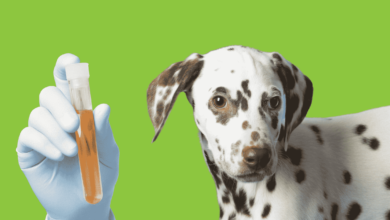
Cushing’s syndrome, also known as hyperadrenocorticism, is a relatively common endocrine disorder that affects dogs, primarily in their middle to senior years. This condition occurs when a dog’s body produces excessive levels of cortisol, a steroid hormone that plays a crucial role in various bodily functions. While Cushing’s syndrome has a wide range of symptoms, one of its often-overlooked effects is its impact on a dog’s back legs. In this article, we will delve into the basics of Cushing’s syndrome in dogs and explore how it can affect their back legs.
Understanding Cushing’s syndrome in Dogs
Cushing’s syndrome can be categorized into two main types: pituitary-dependent Cushing’s disease and adrenal-dependent Cushing’s disease. The former is the most common form and is typically caused by a benign tumor in the pituitary gland, which triggers excessive cortisol production. The latter, adrenal-dependent Cushing’s disease, results from tumors on the adrenal glands, which overproduce cortisol independently of the pituitary gland.
Common Symptoms of Cushing’s syndrome in Dogs
While Cushing’s syndrome can manifest in various ways, some common symptoms include:
Increased Thirst and Urination: Dogs with Cushing’s syndrome often drink more water and urinate frequently.
Increased Appetite: Affected dogs may have an insatiable appetite.
Hair Loss and Skin Changes: They may experience hair loss, thinning, and develop fragile, thin skin.
Potbelly: Some dogs exhibit a potbelly appearance due to a buildup of fat in the abdomen.
Muscle Weakness and Atrophy: Muscle wasting is a common symptom, leading to weakness and a loss of muscle mass.
Panting and Restlessness: Restlessness, excessive panting, and a tendency to seek cooler areas are often observed.
Increased Susceptibility to Infections: Cushing’s syndrome can weaken the immune system, making dogs more prone to infections.
Changes in Behavior: Some dogs may display behavioral changes, including restlessness or agitation.
Types of Cushing’s syndrome in Dogs
There are two primary types of Cushing’s syndrome in dogs:
Pituitary-Dependent Cushing’s Syndrome: This is the most common form, accounting for about 80-85% of cases. It typically results from a noncancerous tumor in the pituitary gland, leading to increased cortisol production.
Adrenal-Dependent Cushing’s Syndrome: In this form, a tumor develops in one or both of the adrenal glands, leading to excessive cortisol production. This type is less common but tends to be more severe.
Impact on Back Legs
While the symptoms listed above are commonly associated with Cushing’s syndrome, its impact on a dog’s back legs is not as well-recognized. However, it is an important aspect to consider, especially as the disease progresses.
1. Muscle Weakness and Atrophy
One of the lesser-known effects of Cushing’s syndrome is muscle weakness and atrophy, which can significantly impact a dog’s back legs. As cortisol levels remain elevated, it can lead to the degradation of muscle tissue throughout the body, including the muscles supporting the back legs. Dogs may find it increasingly challenging to stand, walk, or engage in physical activities.
2. Mobility Issues
The muscle weakness and atrophy associated with Cushing’s syndrome can result in mobility issues. Dogs may experience difficulty in getting up, climbing stairs, or walking for extended periods. Their gait may become altered, and they may appear unsteady on their feet.
3. Increased Risk of Injuries
Weakened muscles in the back legs can also increase the risk of injuries. Dogs with Cushing’s syndrome are more vulnerable to sprains, strains, and even fractures if they experience a fall or stumble. Additionally, their reduced muscle mass can make it challenging to recover from such injuries.
4. Neurological Complications
In some cases, Cushing’s syndrome can lead to neurological complications, affecting coordination and balance. These issues can further exacerbate problems with a dog’s back legs, making it challenging for them to maintain stability and control.
5. Secondary Infections and Skin Conditions
Dogs with Cushing’s syndrome often develop skin issues, including infections and dermatitis. If these conditions affect the areas around the back legs, it can lead to discomfort and reluctance to use their hind limbs.
6. Impact on Joints
Muscle weakness and reduced activity can put additional strain on a dog’s joints, leading to joint problems such as arthritis. The back legs, which bear much of the dog’s weight, can be particularly affected.
Diagnosis and Treatment
Diagnosing Cushing’s syndrome in dogs involves a combination of blood tests, urine tests, and, in some cases, imaging studies like ultrasounds. Once diagnosed, treatment options vary depending on the type of Cushing’s syndrome and its underlying cause.
1. Medications
Pituitary-dependent Cushing’s disease can often be managed with medication. The most commonly used drug is trilostane, which works to inhibit the overproduction of cortisol. Regular monitoring is essential to adjust medication dosages as needed.
2. Surgery
Adrenal-dependent Cushing’s disease may require surgical removal of the tumor on the adrenal gland. This procedure is typically more complex and may be followed by post-operative medication.
Conclusion
Cushing’s syndrome in dogs is a multifaceted condition that can manifest in numerous ways. While its most recognized symptoms include increased thirst, urination, and changes in appetite, the disease’s impact on a dog’s back legs should not be underestimated. Muscle weakness, atrophy, mobility issues, and a heightened risk of injuries in the back legs are all potential consequences of this condition.
If you suspect your dog may have Cushing’s syndrome, consult your veterinarian for a comprehensive evaluation and diagnosis. Early detection and appropriate management are crucial for ensuring your furry friend’s quality of life and overall well-being. By addressing the condition promptly, you can help mitigate its effects on your dog’s back legs and enhance their comfort and mobility.
Frequently Asked Questions
What is Cushing’s syndrome in dogs?
Cushing’s syndrome in dogs, also known as hyperadrenocorticism, is a medical condition characterized by the overproduction of cortisol, a stress hormone, in a dog’s body. This excess cortisol production can lead to various health issues.
What are the common symptoms of Cushing’s syndrome in dogs?
Common symptoms of Cushing’s Syndrome in dogs include increased thirst and urination, increased appetite and weight gain, hair loss and thinning of the coat, skin issues, muscle weakness, panting, a pot-bellied appearance, lethargy, and behavioral changes.
How does Cushing’s syndrome impact a dog’s back legs?
Cushing’s Syndrome can impact a dog’s back legs in several ways, including muscle weakness and atrophy, increased risk of injuries, neurological complications affecting coordination and balance, secondary infections and skin conditions, and strain on the joints.
What should I do if I suspect my dog has Cushing’s syndrome?
If you suspect your dog may have Cushing’s syndrome, it’s crucial to consult with a veterinarian. Diagnosis typically involves blood tests, urine tests, and sometimes advanced imaging like an ultrasound. Early diagnosis and intervention are essential for providing the best care and managing the condition.
Can Cushing’s syndrome in dogs be treated?
Yes, Cushing’s syndrome in dogs can be treated. Treatment options may include medication to reduce cortisol production or surgical removal of tumors, depending on the type of the condition. While treatment can manage the syndrome and alleviate some symptoms, it may not completely reverse the effects on the dog’s back legs in severe cases.
Is there any way to alleviate the impact on a dog’s back legs?
Supportive care, physical therapy, and joint supplements can help alleviate the impact on a dog’s back legs. Regular exercise, a balanced diet, and measures to prevent injuries can also contribute to maintaining mobility and leg health.
Can Cushing’s syndrome in dogs be prevented?
Cushing’s syndrome is not always preventable, but early detection and intervention can help manage the condition and its effects. Regular check-ups with a veterinarian can aid in the early diagnosis of health issues in dogs, including Cushing’s syndrome.
What is the prognosis for dogs with Cushing’s syndrome and its impact on their back legs?
The prognosis for dogs with Cushing’s syndrome varies depending on the severity of the condition and the type of treatment provided. With early diagnosis and proper management, many dogs can lead healthy and comfortable lives, although the impact on their back legs may still require supportive care and monitoring.
Final Thoughts
If you have any concerns about your dog’s health, especially related to Cushing’s syndrome and its impact on their back legs, it is advisable to seek professional veterinary guidance for a thorough evaluation and personalized treatment plan.
Exclusive For You!
🚀 Ready to take your business to the next level? Look no further than Walltronix! We're your go-to experts for all things digital, dedicated to helping businesses of all sizes thrive. 🌟 Imagine a future where innovation and creativity reign supreme. That's what we're all about. 🎨 From jaw-dropping design and development to turbocharged SEO services, we've got your digital needs covered. 💻✨ Join us on this exciting journey to digital success! 🌐💼
Walltronix core services encompass:
- Digital & Social Media Marketing
- Website Design & Development
- E-commerce Development
- Native Mobile Applications
- Web & SaaS Applications
- SEO & Backlink Generation
- Content Management
- Blog creation & monetization
Unlocking Your Potential with Walltronix:
Discover a range of Free invaluable tools, thoughtfully crafted to enhance your digital journey:
- Bolt: Website audit & SEO report generator Tool
- The SMS City: Premium WhatsApp & SMS messaging Platform
- Sizzly: Advanced URL shortner, Custom CTA, Bio Pages & much More
- Optimus: Track live website visitors & traffic
- Mosh: Ultimate website widgets & conversion generator
Elevate your digital presence and engage your audience effectively with Walltronix. Join hands with us, and let's shape your digital future together.
Visit Website
Mail Us
WhatsApp Us
Our Portfolios