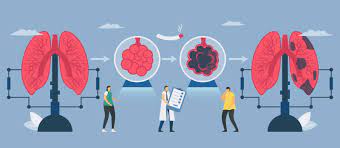
Emphysema, a chronic obstructive pulmonary disease (COPD), has long been a challenging condition for both patients and healthcare professionals. However, with the advent of new technologies, the landscape of emphysema treatment is undergoing a significant transformation. In this article, we will explore the role of cutting-edge technology in revolutionizing the diagnosis, management, and treatment of emphysema.
Introduction to Emphysema
Understanding Emphysema as a COPD
Emphysema is a chronic and progressive lung disease that falls under the umbrella of Chronic Obstructive Pulmonary Disease (COPD). It is characterized by the destruction of the air sacs in the lungs, known as alveoli, leading to decreased lung function and impaired airflow. Patients with emphysema often experience symptoms such as breathlessness, chronic cough, and reduced exercise tolerance.
Prevalence and Impact on Health
Emphysema is a prevalent condition, particularly in individuals with a history of smoking. Its impact on health can be substantial, leading to reduced quality of life and, in advanced stages, life-threatening complications. Traditional treatment approaches have focused on managing symptoms, but the introduction of new technology is changing the treatment paradigm.
Conventional Treatment Approaches
Conventional treatment for emphysema includes bronchodilators, inhaled corticosteroids, and supplemental oxygen therapy. These treatments aim to alleviate symptoms and improve patients’ ability to breathe. However, they do not address the underlying causes of the disease, and their efficacy varies from person to person.
The Dawn of Technological Advancements
Emphysema in the Age of Technology
The integration of technology into healthcare is reshaping the management of chronic diseases like emphysema. New technologies offer opportunities for earlier detection, more precise diagnosis, and personalized treatment plans. They also facilitate remote monitoring and enhance patient engagement, ultimately leading to better outcomes and improved quality of life for emphysema patients.
The Promise of Precision Medicine
Precision medicine, also known as personalized medicine, tailors treatment to an individual’s unique genetic and molecular profile. In the context of emphysema, precision medicine holds the promise of identifying specific subtypes of the disease and developing targeted therapies, optimizing treatment outcomes.
Role of Telemedicine in Emphysema Care
Telemedicine has gained prominence as a result of the COVID-19 pandemic, and its applications in emphysema care are significant. Telehealth platforms enable patients to consult with healthcare providers remotely, reducing the need for in-person visits. This not only enhances accessibility but also reduces the risk of disease exacerbation.
Early Detection and Diagnosis
Advancements in Pulmonary Imaging
Pulmonary imaging has witnessed remarkable advancements, enabling the early detection and precise diagnosis of emphysema. High-resolution computed tomography (HRCT) scans and advanced imaging techniques provide detailed insights into lung tissue and can detect emphysematous changes in their early stages.
Early Warning Systems for At-Risk Patients
Early detection of emphysema is vital, particularly for individuals at risk due to factors like smoking history or genetic predisposition. Innovative healthcare systems and apps are being developed to identify at-risk individuals and encourage them to seek early evaluation.
The Potential of AI in Radiology
Artificial Intelligence (AI) has found a crucial role in radiology, assisting in the interpretation of medical images. In emphysema, AI algorithms can analyze lung scans, detect subtle changes, and even predict disease progression. This not only enhances diagnostic accuracy but also supports personalized treatment decisions.
Remote Monitoring and Telemedicine
The Rise of Telehealth Platforms
Telehealth platforms, equipped with secure video conferencing and remote monitoring tools, have become invaluable in emphysema care. Patients can engage in virtual consultations with healthcare providers, reducing the need for frequent in-person visits while ensuring continuous care.
Real-Time Monitoring of Lung Function
Wearable devices, such as spirometers and pulse oximeters, enable real-time monitoring of lung function. Patients can track their lung health and share data with their healthcare providers, allowing for timely intervention in case of worsening symptoms.
The Impact of Wearable Devices
Wearable devices go beyond monitoring lung function; they can also provide patients with valuable data on their physical activity, sleep patterns, and overall health. This holistic approach to healthcare empowers patients to make informed decisions about their lifestyle and treatment.
Personalized Treatment Plans
Tailoring Therapies to Individual Needs
Personalized treatment plans for emphysema take into account individual patient characteristics, including genetics, lifestyle, and medical history. These plans are designed to optimize treatment effectiveness while minimizing potential side effects.
Biomarkers and Genetic Profiling
The identification of biomarkers associated with emphysema can aid in predicting disease progression and response to treatment. Genetic profiling allows healthcare providers to understand a patient’s genetic predisposition to emphysema and select the most appropriate therapies.
Optimizing Medication Regimens
Emphysema patients may require a range of medications, and AI-driven systems can optimize medication regimens. These systems analyze patient data and adjust dosages and schedules to ensure optimal treatment outcomes.
Pulmonary Rehabilitation in the Digital Age
Virtual Rehabilitation Programs
Pulmonary rehabilitation is a key component of emphysema treatment, helping patients improve their lung function and overall well-being. Virtual rehabilitation programs bring these benefits to patients’ homes, allowing them to participate in supervised exercises and educational sessions via telemedicine.
Gamification for Improved Adherence
Gamification techniques are being employed in emphysema rehabilitation programs to enhance patient adherence. By turning exercises and activities into games, patients are more motivated to participate and achieve better results.
Tele-rehabilitation and Its Benefits
Tele-rehabilitation extends the reach of pulmonary rehabilitation to individuals who may have limited access to in-person programs. It offers a convenient and effective way for patients to engage in rehabilitation while being closely monitored by healthcare professionals.
Advanced Surgical Interventions
Minimally Invasive Procedures
Advances in surgical techniques have led to minimally invasive procedures for emphysema treatment. Procedures like bronchoscopic lung volume reduction use endoscopic tools to reduce hyperinflation in the lungs, improving patients’ ability to breathe.
The Role of Robotics in Lung Surgery
Robotic-assisted surgery is making its mark in lung surgery, offering improved precision and reduced invasiveness. Robotic systems can assist in lung volume reduction surgery and even facilitate lung transplants.
Lung Transplants and Artificial Lungs
In severe cases of emphysema, lung transplantation may be necessary. The field of organ transplantation is benefiting from technology-driven improvements, including organ preservation techniques and the development of artificial lungs.
Regulatory and Ethical Considerations
FDA Approval and Oversight
The introduction of new technologies in emphysema care requires rigorous oversight from regulatory bodies like the U.S. Food and Drug Administration (FDA). Ensuring the safety and efficacy of these technologies is paramount to their widespread adoption.
Data Privacy and Security
Protecting patient data is a critical consideration, especially in telemedicine and remote monitoring. Healthcare systems must implement robust data security measures to safeguard sensitive medical information.
Ensuring Ethical Use of Patient Data
The ethical use of patient data in emphysema care is crucial. Healthcare providers and technology developers must ensure transparency, informed consent, and the protection of patient rights when utilizing data for diagnosis and treatment.
Patient-Centered Care in Emphysema
Empowering Patients through Education
Patient education plays a vital role in emphysema care. Technology allows for the creation of educational materials, mobile apps, and interactive platforms that empower patients with knowledge about their condition and its management.
Supportive Online Communities
Online communities and support groups provide emphysema patients with a platform to connect, share experiences, and seek advice. These digital networks foster a sense of belonging and emotional support, which can be invaluable in managing a chronic condition.
Psychological Well-being in Emphysema Management
The psychological well-being of emphysema patients is a crucial aspect of their care. Technology-driven mental health resources and tele-mental health services can address anxiety, depression, and stress related to the condition.
Challenges and Future Prospects
Addressing Disparities in Access
While technology offers numerous benefits, addressing disparities in access to these innovations is essential. Ensuring that all emphysema patients, regardless of their socioeconomic status or geographic location, can benefit from new technologies is a challenge that healthcare systems must tackle.
Research Directions and Funding
The field of emphysema treatment is continually evolving, and research directions should be aligned with the latest technological advancements. Funding for research into new technologies and treatment approaches is vital to propel innovation.
A Glimpse into the Future of Emphysema Care
The future of emphysema care looks promising, with advancements in technology leading to more effective treatments, early detection, and improved patient outcomes. Emphysema patients can look forward to a brighter and more manageable future with the ongoing integration of technology into their care.
Conclusion
In conclusion, new technology is revolutionizing the treatment of emphysema, offering innovative solutions for early detection, personalized treatment plans, and enhanced patient engagement. With the rise of telemedicine, advanced surgical procedures, and the ethical use of patient data, emphysema care is undergoing a transformation that promises a brighter and more hopeful future for patients battling this chronic lung condition.
Exclusive For You!
🚀 Ready to take your business to the next level? Look no further than Walltronix! We're your go-to experts for all things digital, dedicated to helping businesses of all sizes thrive. 🌟 Imagine a future where innovation and creativity reign supreme. That's what we're all about. 🎨 From jaw-dropping design and development to turbocharged SEO services, we've got your digital needs covered. 💻✨ Join us on this exciting journey to digital success! 🌐💼
Walltronix core services encompass:
- Digital & Social Media Marketing
- Website Design & Development
- E-commerce Development
- Native Mobile Applications
- Web & SaaS Applications
- SEO & Backlink Generation
- Content Management
- Blog creation & monetization
Unlocking Your Potential with Walltronix:
Discover a range of Free invaluable tools, thoughtfully crafted to enhance your digital journey:
- Bolt: Website audit & SEO report generator Tool
- The SMS City: Premium WhatsApp & SMS messaging Platform
- Sizzly: Advanced URL shortner, Custom CTA, Bio Pages & much More
- Optimus: Track live website visitors & traffic
- Mosh: Ultimate website widgets & conversion generator
Elevate your digital presence and engage your audience effectively with Walltronix. Join hands with us, and let's shape your digital future together.
Visit Website
Mail Us
WhatsApp Us
Our Portfolios