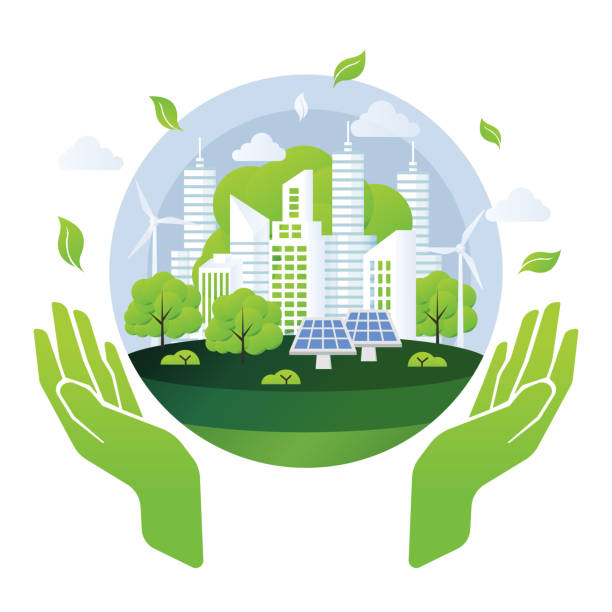
In an era defined by climate change and growing environmental concerns, The Art of Sustainable Business have emerged as a vital force shaping the corporate landscape. As companies recognize the significance of their impact on the planet and society, they are increasingly adopting sustainable approaches to drive long-term success. This comprehensive guide delves into the world of sustainable business practices, exploring what they entail, their benefits, and how they are reshaping industries.
Introduction
In a world where ecological preservation and social responsibility are becoming paramount, sustainable business practices have taken center stage. This article delves into the intricacies of these practices, providing insights into their significance and how they are transforming businesses worldwide.
What Are Sustainable Business Practices?
Sustainable business practices refer to strategies and initiatives that aim to minimize a company’s negative impact on the environment and society while simultaneously driving profitability. These practices encompass a wide range of activities, from reducing carbon emissions to promoting fair labor practices and ethical sourcing.
The Benefits of Sustainability
Environmental Benefits
Sustainability is undeniably intertwined with environmental protection. It encompasses a variety of practices aimed at reducing a company’s negative impact on the planet. One of the most critical aspects is reducing greenhouse gas emissions. Businesses that implement eco-friendly measures like energy-efficient lighting, renewable energy sources, and efficient transportation methods significantly lower their carbon footprint. This reduction in emissions contributes to cleaner air and a reduction in the overall carbon load in the atmosphere.
Moreover, sustainable practices extend beyond emissions reduction. Companies often engage in responsible resource management and conservation. For example, they might adopt sustainable forestry practices, ensuring that the wood they use in their products comes from well-managed forests. Additionally, businesses can minimize their water usage, reduce waste generation, and invest in technologies that mitigate air pollution. All these measures combine to create a healthier and more sustainable environment.
Economic Benefits
One common misconception about sustainability is that it’s an expensive endeavor. However, in the long run, sustainability initiatives often translate into substantial economic advantages. For instance, businesses that prioritize energy efficiency and resource conservation can experience significant cost savings. By reducing energy consumption, they lower their utility bills, which directly impacts their operational expenses.
Furthermore, sustainable practices encourage companies to adopt innovative solutions that can lead to improved productivity. For example, investing in energy-efficient equipment not only reduces energy costs but also often leads to more reliable and longer-lasting machinery, resulting in lower maintenance and replacement costs. Sustainable practices can also open up new markets and business opportunities, as an increasing number of consumers are willing to pay a premium for products and services that are environmentally friendly and socially responsible.
Social Benefits
Sustainability is not just about the environment and finances; it also encompasses social responsibility. Companies that embrace sustainable business practices often play an active role in their communities. They prioritize fair labor practices, offering safe and equitable working conditions for their employees. This not only boosts employee morale and productivity but also helps build stronger relationships with stakeholders, including employees, customers, and local communities.
Moreover, socially responsible companies engage in philanthropic activities and community development projects. They invest in programs that promote education, healthcare, and social welfare. These initiatives not only contribute to a better quality of life for individuals and communities but also enhance the reputation and brand image of the company. When businesses are seen as responsible corporate citizens, it fosters goodwill and trust among consumers.
Implementing Sustainability in Business
Sustainable Supply Chain Management
One of the core aspects of integrating sustainability into a business is through sustainable supply chain management. Companies that adopt this approach prioritize responsible sourcing, ethical labor practices, and reducing the environmental impact of their production and distribution processes. This means not only ensuring that raw materials come from suppliers who adhere to ethical and sustainable practices but also minimizing the carbon footprint associated with the transportation and logistics of these materials.
By optimizing their supply chains for sustainability, businesses can reduce the risk of supply disruptions and create a more resilient operation. Furthermore, consumers are increasingly interested in the origins of products they purchase, and sustainable supply chain practices can be a powerful marketing tool that helps build trust and loyalty.
Energy Efficiency
Energy efficiency is a key pillar of sustainability. Businesses can take numerous steps to reduce their energy consumption, such as adopting LED lighting, investing in energy-efficient appliances and machinery, and implementing smart building technologies. These measures not only reduce a company’s carbon footprint but also lead to substantial cost savings in the form of reduced energy bills.
Additionally, transitioning to renewable energy sources, like solar or wind power, can be a game-changer. Companies that generate their own renewable energy not only reduce their reliance on fossil fuels but also often benefit from government incentives and tax breaks. These initiatives can lead to long-term financial advantages and a reduced environmental impact.
Waste Reduction
Waste reduction is another critical component of sustainable business practices. Minimizing waste generation and embracing recycling and circular economy principles can have a profound effect on both the environment and a company’s bottom line.
Many businesses are discovering the value in “closing the loop” through circular economy practices. This approach involves designing products and services with longevity in mind and finding ways to reuse, refurbish, and recycle materials to keep them in circulation. By doing so, companies reduce the need for new resources, lower waste production, and decrease landfill contributions.
In addition to environmental benefits, waste reduction also has economic advantages. Companies that generate less waste typically pay lower disposal fees and can even find new revenue streams by selling recycled materials or repurposing waste into new products.
Measuring Sustainability
Key Performance Indicators (KPIs)
To gauge the effectiveness of their sustainability efforts, businesses rely on Key Performance Indicators (KPIs). These are specific metrics that help quantify progress. For example, a manufacturing company might track its carbon emissions per unit of production, aiming to reduce this metric over time. Others might focus on waste diversion rates, which measure the percentage of waste materials that are recycled or reused rather than sent to landfills.
KPIs provide businesses with tangible data that can guide decision-making and help identify areas for improvement. They also enable companies to set clear sustainability goals and demonstrate their commitment to stakeholders, including customers, investors, and regulatory authorities.
Sustainability Reporting
Transparency is a fundamental aspect of sustainability. Many companies now engage in sustainability reporting, which involves disclosing their environmental and social performance to the public. These reports provide detailed information on a company’s sustainability initiatives, progress, and future goals.
Sustainability reports are valuable tools for building trust with stakeholders. They show that a company is accountable for its actions and committed to making positive changes. Moreover, they allow consumers to make informed choices by supporting companies that align with their values and sustainability objectives.
By embracing sustainability in their operations, companies can benefit not only the environment and society but also their own long-term success and profitability. Sustainable practices are not just a trend; they are a strategic imperative for businesses looking to thrive in a rapidly changing world.
Sustainable Business Models
Circular Economy
The circular economy model has gained significant traction as a powerful approach to sustainability. It centers on the idea of reducing, reusing, and recycling resources to create a closed-loop system that minimizes waste. In this model, products are designed with durability and recyclability in mind, ensuring that they can be easily disassembled and their components reused or recycled.
Companies embracing the circular economy not only reduce their environmental impact but also find new revenue streams. They can participate in the recycling and refurbishment of their own products, extending the product lifecycle and decreasing the demand for new resources. The circular economy is not just a philosophy; it’s a viable business strategy that aligns profit with environmental stewardship.
B Corps and Social Enterprises
Some businesses take sustainability to the next level by becoming B Corps (Benefit Corporations) or adopting the legal structure of a social enterprise. These entities are legally committed to balancing profit with positive social and environmental impact.
B Corps undergo rigorous assessments to evaluate their impact on society, workers, the community, and the environment. Achieving B Corp status demonstrates a company’s dedication to going beyond profit and prioritizing the well-being of all stakeholders.
Social enterprises, on the other hand, are often formed with a specific social or environmental mission in mind. Their primary objective is to create positive change while generating revenue. These businesses may donate a portion of their profits to charitable causes, reinvest in local communities, or support marginalized groups.
Sustainable Business Models like B Corps and social enterprises are setting new standards for corporate responsibility and inspiring other companies to follow suit.
Sustainable Success Stories
Exploring real-world examples of companies that have successfully integrated sustainability into their core business strategies can be inspiring and informative. Many well-known brands have not only adopted sustainable practices but have also thrived because of them. For instance:
Patagonia: This outdoor clothing company is a trailblazer in sustainable practices. They invest in recycling, repair, and resale programs for their products, encouraging customers to buy used gear and reducing the overall demand for new resources.
Unilever: A consumer goods giant, Unilever has committed to making all of its products sustainable. They focus on reducing the environmental footprint of their products, while also promoting social and ethical responsibility throughout their supply chain.
Tesla: Beyond revolutionizing the automotive industry with electric vehicles, Tesla has also ventured into sustainable energy solutions like solar power and battery storage, reshaping the energy landscape.
These success stories illustrate that sustainability isn’t just an idealistic endeavor; it’s a strategy that can lead to long-term success and profitability.
Overcoming Challenges
While the benefits of sustainable business practices are clear, there are challenges to overcome. These can include:
Initial Costs: Implementing sustainability initiatives may require upfront investments in technology, training, and infrastructure.
Changing Consumer Behavior: Convincing consumers to make sustainable choices can be challenging, especially when sustainable options may be slightly more expensive.
Regulatory Complexity: Navigating a complex web of environmental regulations can be daunting for businesses, especially when they operate internationally.
Supply Chain Challenges: Ensuring that suppliers also adhere to sustainable practices can be a logistical and ethical challenge.
However, businesses that persevere through these challenges often find that the long-term benefits far outweigh the initial obstacles.
The Role of Regulation and Certification
Government regulations and certifications play a crucial role in promoting sustainability. Regulations can set minimum standards for environmental practices and require transparency in reporting. Certifications, like the Fair Trade or organic labels, help consumers identify products and companies that align with their sustainability values.
Businesses often find it advantageous to meet or exceed these standards. Not only does it demonstrate their commitment to sustainability, but it can also lead to access to new markets, partnerships, and increased consumer trust.
Consumer Awareness and Sustainable Choices
Consumer awareness is a driving force behind the adoption of sustainable business practices. As people become more educated about environmental and social issues, they increasingly demand sustainable products and services. This trend influences businesses to incorporate sustainability into their strategies, from product design to marketing.
Moreover, consumers are willing to pay a premium for sustainable products, recognizing the value in supporting businesses that prioritize ethical and eco-friendly practices. This consumer demand is a powerful incentive for companies to invest in sustainability and deliver products that align with the values of their target audience.
Future Trends in Sustainable Business
As the world continues to grapple with environmental challenges and society places greater importance on ethical practices, the landscape of sustainable business is evolving. Several key trends are shaping the future of sustainable business practices:
Climate Neutrality: Achieving carbon neutrality or “net-zero” emissions is becoming a central goal for many businesses. This involves reducing emissions as much as possible and offsetting any remaining emissions through initiatives like reforestation or carbon capture.
Circular Design: More companies are focusing on circular design principles. This means designing products with the intent of making them easy to repair, refurbish, or recycle. Circular design minimizes waste and extends product lifecycles.
Sustainable Innovation: Innovation is driving sustainability in various industries. Advancements in clean energy technologies, sustainable materials, and eco-friendly packaging are reshaping product development and business operations.
Green Supply Chains: Supply chains are becoming greener and more transparent. Companies are increasingly demanding sustainable practices from their suppliers and partners. This shift ensures that sustainability extends throughout the entire product lifecycle.
Responsible Investing: Sustainable investing, also known as Environmental, Social, and Governance (ESG) investing, is gaining prominence. Investors are evaluating companies not only based on financial performance but also on their environmental and social impact.
Regulatory Changes: Governments worldwide are enacting stricter environmental regulations. Companies must stay informed and adapt to these changes to avoid legal complications and reputation damage.
Consumer Empowerment: Consumers have more information and choices than ever before. They can influence businesses by supporting those aligned with their values and boycotting those that don’t prioritize sustainability.
Corporate Transparency: Transparency is crucial for building trust with consumers. More businesses are publishing sustainability reports and openly sharing their progress and challenges.
Renewable Energy Adoption: Businesses are increasingly investing in renewable energy sources, both to reduce their carbon footprint and to gain energy independence. Solar and wind power, in particular, are seeing widespread adoption.
Ethical Supply Chain: Ethical sourcing practices are gaining prominence. Companies are scrutinizing suppliers for fair labor practices, responsible resource extraction, and ethical treatment of workers.
Conclusion
Sustainable business practices are no longer optional, they are essential for the long-term viability and success of companies. Beyond the ethical imperative to protect the planet and support communities, sustainability offers clear economic benefits through cost reduction, innovation, and enhanced brand reputation.
As consumers become more informed and governments enact stricter regulations, the transition toward sustainability is inevitable. Businesses that embrace sustainability not only contribute to a better world but also position themselves for a competitive edge in a changing marketplace. By adopting these practices, they not only thrive in the present but also help shape a brighter, more sustainable future for all.
Exclusive For You!
🚀 Ready to take your business to the next level? Look no further than Walltronix! We're your go-to experts for all things digital, dedicated to helping businesses of all sizes thrive. 🌟 Imagine a future where innovation and creativity reign supreme. That's what we're all about. 🎨 From jaw-dropping design and development to turbocharged SEO services, we've got your digital needs covered. 💻✨ Join us on this exciting journey to digital success! 🌐💼
Walltronix core services encompass:
- Digital & Social Media Marketing
- Website Design & Development
- E-commerce Development
- Native Mobile Applications
- Web & SaaS Applications
- SEO & Backlink Generation
- Content Management
- Blog creation & monetization
Unlocking Your Potential with Walltronix:
Discover a range of Free invaluable tools, thoughtfully crafted to enhance your digital journey:
- Bolt: Website audit & SEO report generator Tool
- The SMS City: Premium WhatsApp & SMS messaging Platform
- Sizzly: Advanced URL shortner, Custom CTA, Bio Pages & much More
- Optimus: Track live website visitors & traffic
- Mosh: Ultimate website widgets & conversion generator
Elevate your digital presence and engage your audience effectively with Walltronix. Join hands with us, and let's shape your digital future together.
Visit Website
Mail Us
WhatsApp Us
Our Portfolios